
Why Art Matters For Community
Creating shared spaces of meaning in a world that increasingly fragments experience into isolated, individualized channels is critical to foster a vibrant community. Art is an antidote to the relentless onslaught of information engineered to keep you on a steady dopamine drip. It asks us to slow down, to look, listen, and to engage in feeling the present moment together. It also provides a language that can more easily bypass ideology, allowing people with different backgrounds, beliefs, and experiences to encounter one another on common ground.
At its most basic level, art is a window that makes our inner experiences visible. A community is not just a collection of buildings, policies, and economic data, but a spectrum of emotional climates, collective memories, and unspoken tensions. Through images, stories, sounds, and performances, art gives form to these invisible elements that help a community see aspects of itself that are otherwise difficult to articulate. This reflective function is essential, and without it, communities risk becoming disconnected from their own values and histories.
It’s interesting to note that the more I travel, the more I notice how locations with a vibrant artistic presence seem to have stronger and more intimate communities. Through shared narratives, symbols, and rituals, the community’s identities are preserved and more easily transmitted to younger generations. The result works to anchor the present to the past, helping to resist cultural amnesia and ensure that experiences, especially of marginalized or overlooked groups, are not erased by the pressure of dominant narratives.

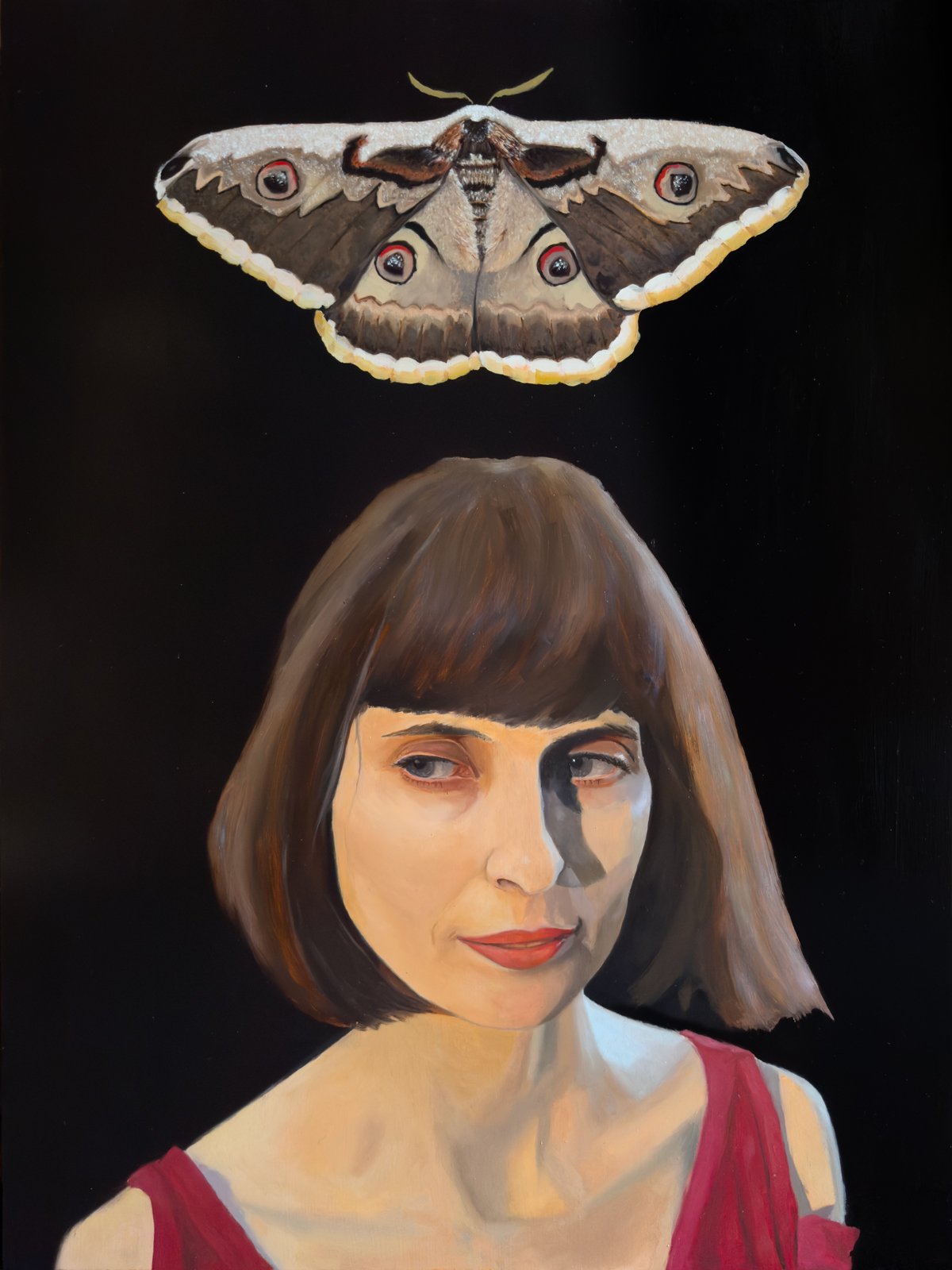
As Above, So Below
18”x24”
oil on wood
Art is also a great medium for fostering healthy empathy. When people are presented with artistic representations of experiences different from their own, they’re invited into perspectives they may never have directly considered before. It’s an opportunity for the viewer to consider the situation more fully before they make a judgment, and to recognize complexity before forming a knee-jerk conclusion. And since I’m not aware of communities that exist without internal difference or tensions, this capacity for empathy is crucial. It helps remind us that behind an individual's positions and personal identities is a lived experience, shaped by emotions and vulnerabilities that are not as easily expressed with words.
One of the most damaging byproducts of our digital age is the erosion of social gathering points. Galleries, theaters, music venues, and community art spaces are critical for individuals to experience shared presence. When people gather around art, they participate in a collective rhythm of attention. They stand together, sit together, move together, and this act strengthens social bonds in ways that digital interaction can never replicate. Also, when people collaborate on projects and share their work in public spaces, they move beyond just being a consumer of the culture, but also a contributor. This participatory aspect reinforces a sense of belonging, which is more likely to produce a feeling of investment towards the health and future of their community.
And after walking through a gallery, catching a local play or music show, people often want to grab a bite to eat, or a cup of coffee. The arts generate activity that attracts foot traffic and encourages small business growth, which enhances the vibrancy of neighborhoods and the cycle continues to feed itself. A community that invests in creative spaces demonstrates a commitment to quality of life and communicates that it values depth, expression, and collective well-being.
Art matters for the community because it is a reflection of our inner lives and struggles, preserves memory, fosters empathy, and creates shared spaces of attention. Through art communities learn to see themselves more clearly and remain connected, despite differences. It strengthens resilience, expands imagination and remains one of the most powerful tools for exploring our shared reality in a world increasingly shaped by speed, division, and distraction.