
Thank you again for being willing to help me with this!
Teaching and mentoring over the last few years have changed the way I think about art, and about how I want to spend my time. I still care deeply about pushing my own work forward, but helping other artists grow has become one of the most rewarding parts of my life. Pursuing an MFA feels like the natural next step in bringing those two parts of my life together.
I’ve included everything on this page I thought might be useful: my résumé, portfolio, Statement of Purpose, Personal History Statement, and the schools and deadlines.
Use whatever is helpful. You all know me in different ways, so I trust you to speak to the parts of my work, character, teaching, or growth that you’ve experienced.
I really appreciate you doing this for me.
Statement of Purpose
I’m applying to MFA programs now because my idea of what I want from a life in art has changed over the past several years. My personal studio practice remains a primary focus, but teaching and mentoring other artists has become much more important to me than I expected. Some of the most rewarding experiences I’ve had are the moments when a student begins to see possibilities in their work, or in themselves, that they couldn’t see before.
An MFA program would provide an environment where my work will be questioned and challenged in ways that are difficult to create on my own. At the same time, I want to develop as a teacher. I have learned a great deal through experience, but I know there’s a difference between being knowledgeable about drawing and painting and truly understanding how to help another artist grow.
My path into art was not especially direct. Before earning my BFA in Illustration from Rocky Mountain College of Art and Design in 2020, I spent sixteen years working in software development. Although I had built a career and had plenty of reasons to stay where I was, I knew I wanted my life to revolve around creating and sharing art. Going back to school taught me that the life you have built doesn’t have to be the life you continue living.
Since then, I have built my studio practice around figurative and symbolic painting, working primarily in oil on aluminum, wood, and canvas. When it comes to what I paint, I find myself returning to questions about identity and the ways people are shaped by forces they may not fully recognize in the moment.
My earlier series, Oracles, grew out of questions about authority, expectation, and the formation of identity. I was thinking about what happens when systems of power define us before we can question those definitions, and what it means to eventually recover some authorship over who we become.
The collection I’m working through now, Echoes, has pushed those questions outward. I’ve been thinking more about attention and what happens to our inner lives when so much of the world around us is competing to direct it. Advertising, social media, cultural expectations, inherited beliefs, and our own desire for approval all shape what we notice and value. I am interested in that process because attention has a lot to do with agency. What we repeatedly attend to eventually shapes what we believe is real.
These concepts have made me think more carefully about painting itself. So much of the imagery we encounter now is glanced at and replaced almost immediately. I’m interested in creating images and stories that don’t fully reveal themselves at first glance and leave enough room for a viewer to bring their own experience into the work.
Symbolism has become an important part of how I do that. I like that a symbol can suggest something without completely explaining it. The viewer brings their own history and experience to what they see, which means the meaning can shift from person to person. That participation is important to me, and I want to keep pushing further into what symbolic narrative can do.
It has been over a decade since I opened The Copper Wolf, an art gallery and tattoo studio in Washington State. Through the gallery and studio, I have organized exhibitions, built long-term relationships with artists and collectors, and spent years mentoring and teaching other artists.
I’m currently teaching an observational drawing class and mentoring a tattoo apprentice out of my studio. I’ve really enjoyed helping students build tools they can use to recognize and solve problems on their own. Watching a student go from looking to me for confirmation that their drawing is correct to noticing when it is off before I say anything has been enormously rewarding.
Most of my development since finishing my BFA has happened through working in the studio, exhibiting, reading, teaching, and talking with other artists. I value many aspects of my independently forged path, but I can also see its limitations. I’m working within a world I have largely constructed for myself, which contains assumptions I probably cannot see clearly anymore.
Graduate school appeals to me for that reason. I want people around me who will disagree with me and ask questions I have not thought to ask. I want a deeper relationship with the histories and ideas surrounding the kind of work I make, along with exposure to practices that may feel very different from my own. I also want permission to follow an idea far enough that it might fail. At this point in my practice, I think failure would probably teach me more than becoming increasingly efficient at doing what I already know how to do.
My long-term goal is to continue building a serious studio practice while teaching at the university level. I believe the two go hand in hand. Teaching forces me to explain ideas I might otherwise leave intuitive, and students have a remarkable ability to expose assumptions I didn’t realize I was making. Continuing to struggle with my own work also matters to me as a teacher. I never want to talk about uncertainty or failure as though I have somehow graduated from them.
I would enter an MFA with a developed practice and years of professional experience, but I am not looking for confirmation that the direction I am already moving is correct. I am looking for an environment that might change the direction altogether.
I want to emerge from graduate school making work I couldn’t have predicted before I entered. I also want to become a more capable teacher, someone who can recognize potential and help another artist develop the tools to pursue it for themselves.
At this point, those goals no longer feel separate to me. I want to keep discovering what I’m capable of making, and I want to spend part of my life helping others discover what they are capable of making too.
Personal History Statement
My mother was fourteen when she gave birth to me. I grew up in a low-income, mixed Hispanic and white family, and my father died by suicide when I was fourteen. I didn’t believe becoming a professional artist was even possible. Creative expression was important to me, but building a life around it felt like something that happened somewhere else, to other people.
I took a more practical route. I joined the military, and after an honorable discharge, I pursued music professionally and eventually became a software developer. The sixteen years I spent in software gave me stability and allowed me to support my family, which was important to me. All the while, I continued making art, wondering what would happen if I took that part of myself as seriously as I took everything else.
Ultimately, that question became impossible to ignore.
Going back to school as an adult was one of the biggest changes I made in my life. I earned my BFA, graduating summa cum laude, and since then, I have continued to build my painting and tattoo practice, exhibit my work, operate an art gallery, and teach.
The part of this story that matters most to me is the realization that the direction of a life is not fixed.
My upbringing also left me conscious of how people arrive at the same opportunity from diverse paths. Students do not enter a classroom with equal preparation, financial security, encouragement, or confidence. Someone who has been drawing since childhood may appear naturally gifted next to someone who has barely had access to instruction. I try not to confuse where a person starts with where they can go.
Growing up in a mixed household also gave me an early awareness that identity can shift depending on where you are and who is looking at you. I don’t feel the need to make that the explicit subject of all my work, but I suspect it is part of why questions of identity and outside influence continually surface in my paintings.
My life today looks very different from what I imagined when I was young. I have a professional studio practice. I’ve had the opportunity to exhibit my paintings and build a community around a gallery. Increasingly, I also have the privilege of helping other people develop their own creative lives.
Graduate school would allow me to continue that transformation while becoming more useful to the people I teach. I want to learn more, be challenged, and be around artists whose experiences and ideas may be very different from mine. I hope to bring the same openness to that community that I ask of my students.
I know from experience that people can change direction. They can learn things they once assumed were beyond them, and they can become more capable than an earlier version of themselves would have thought possible. That is something I want to keep doing in my own life, and something I hope to help others do in theirs.
Submission Due Dates
Stanford - MFA in Art Practice - Painting Due: December 1st by 9:00 PM PST.
UC Berkeley - MFA in Art Practice - Painting Due: December 15th
Northwestern - MFA in Art Theory/Practice - Painting Due: January 5th
UC Santa Barbara - MFA in Art - Painting Due: January 6th
UC San Diego - MFA in Visual Arts - Painting Due: January 7th
UC Irvine - MFA in Art - Painting Due: January 14th
UConn - MFA in Studio Art - Painting Due: January 15th
University of Houston - MFA in Painting Due: January 15th
University of Tennessee Knoxville - MFA in Studio Art - Painting Due: January 15th
University of South Florida - MFA in Studio Art - Painting Due: January 15th
Portfolio
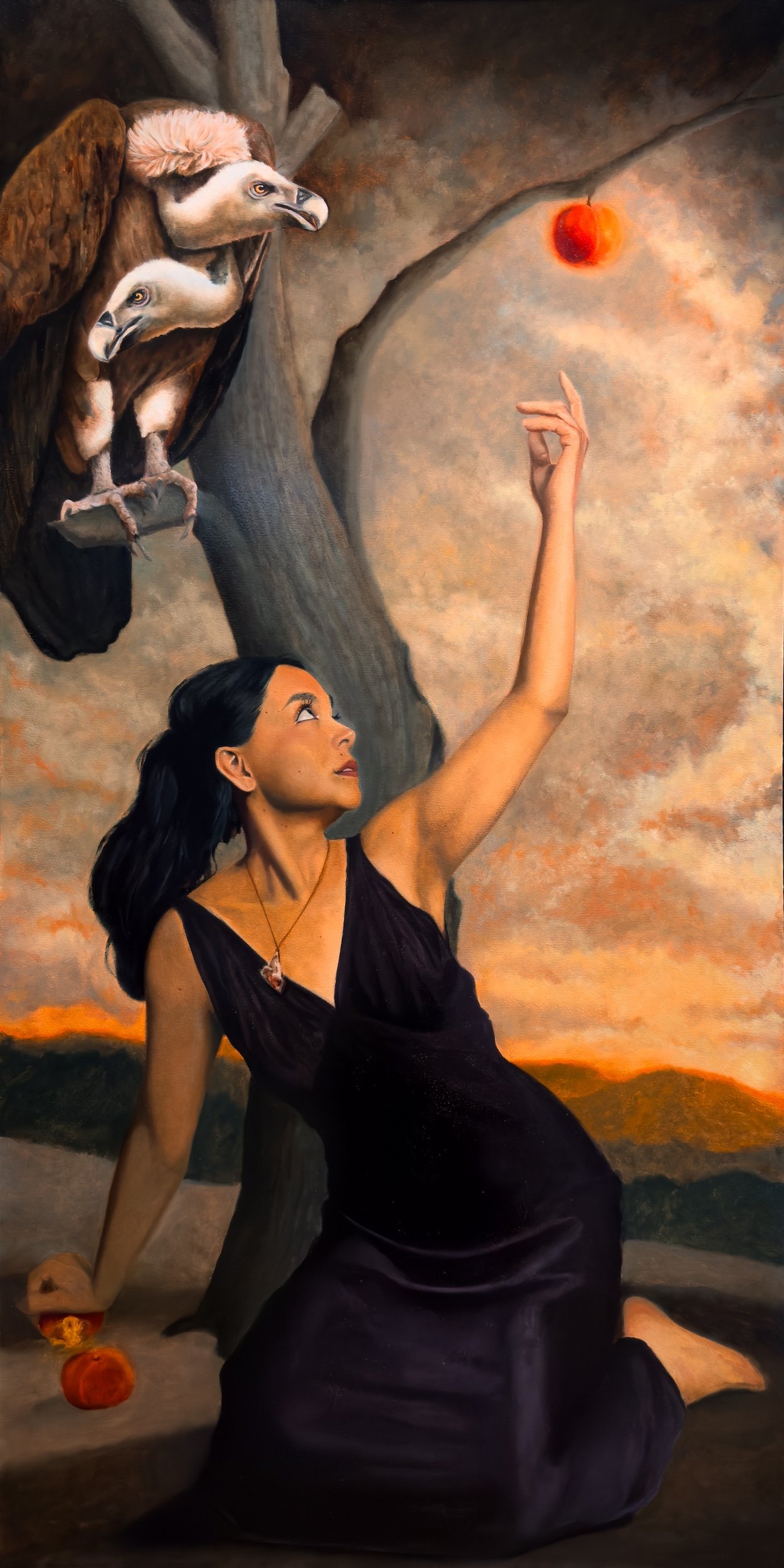
~ Always Somewhere Else ~ oil on aluminum 48"x24"
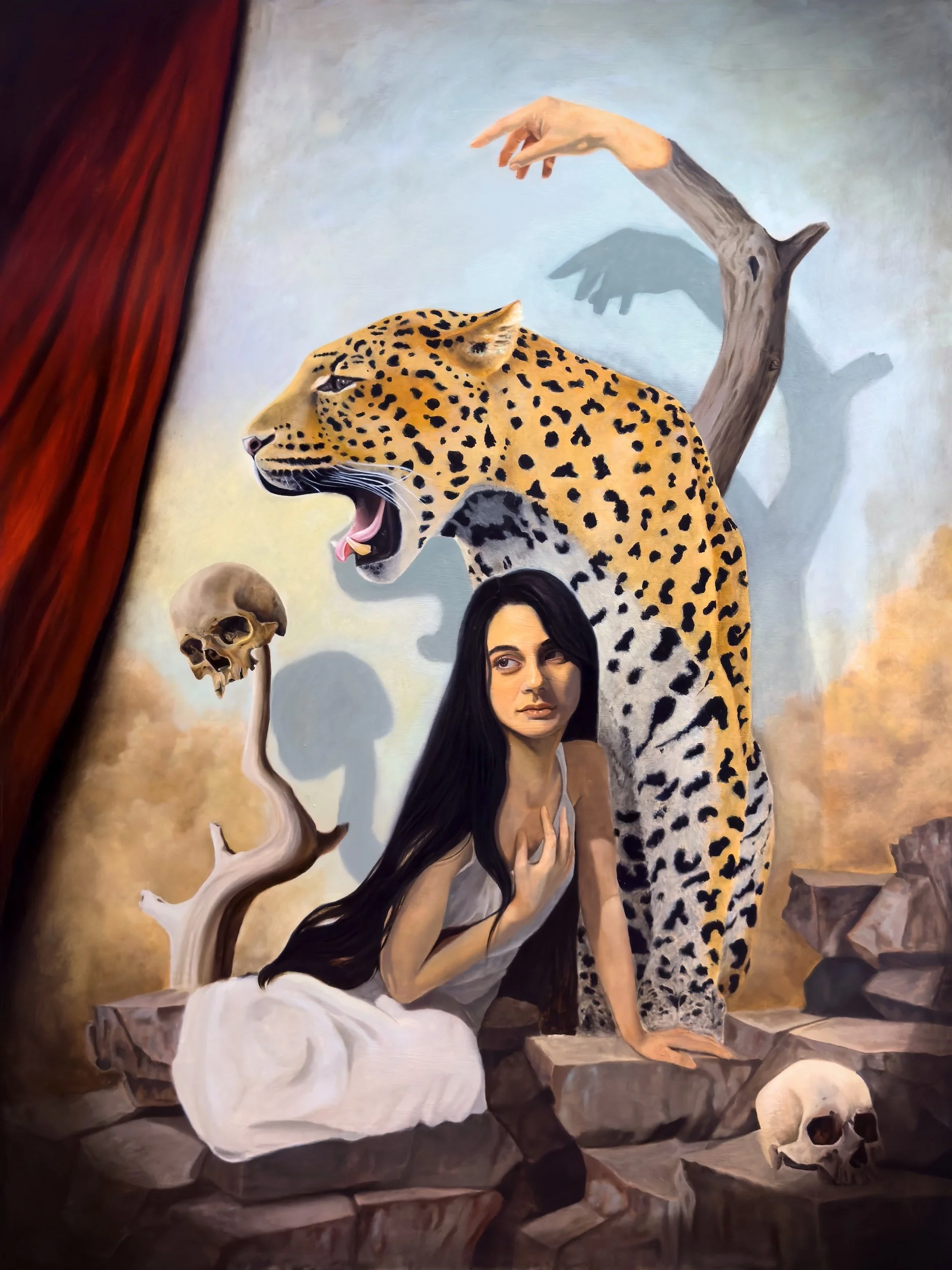
~ Can Anybody Hear Me? ~ oil on aluminum 48"x36"
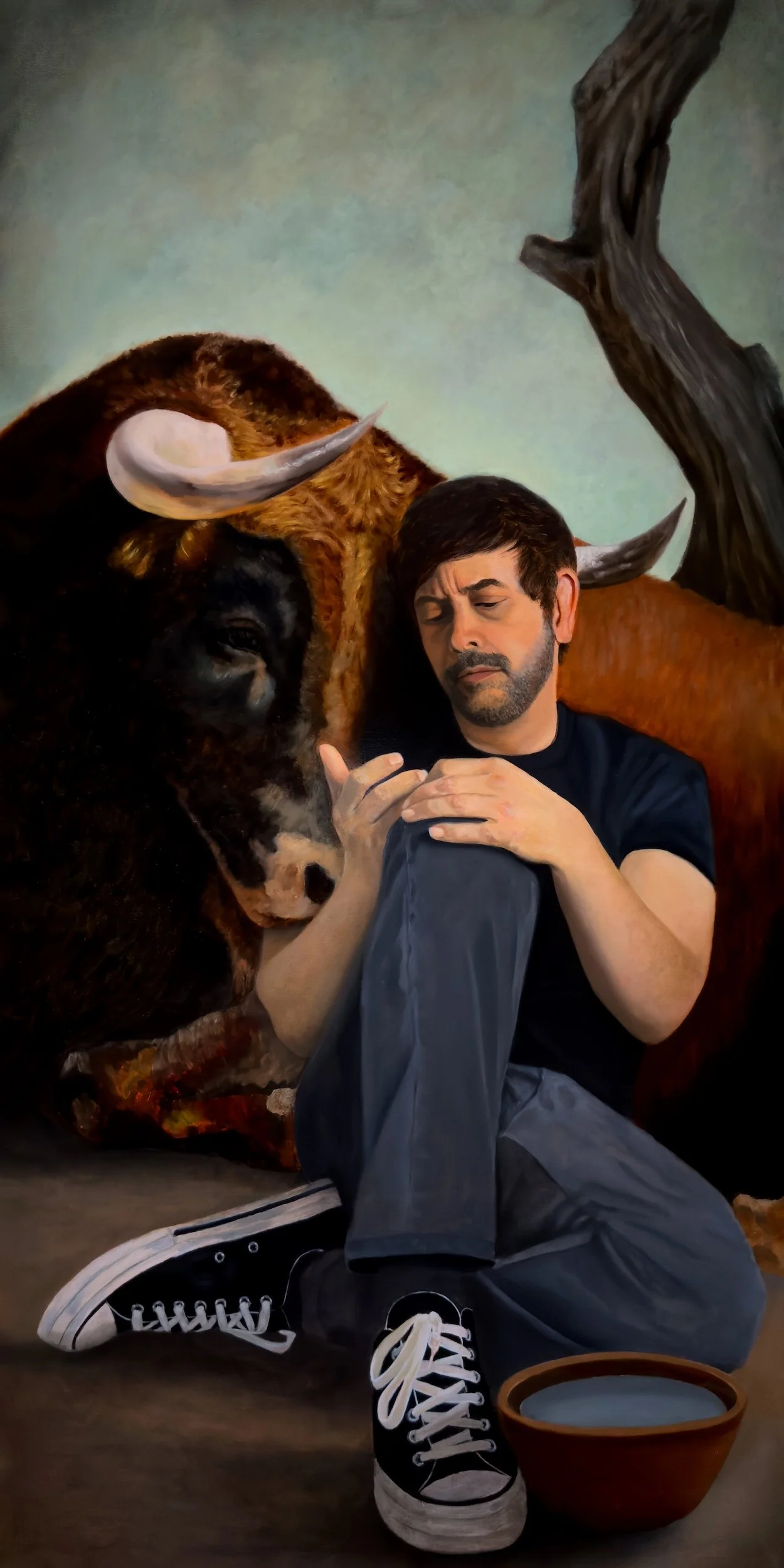
~ Echo of Metanoia ~ oil on aluminum 48"x24"
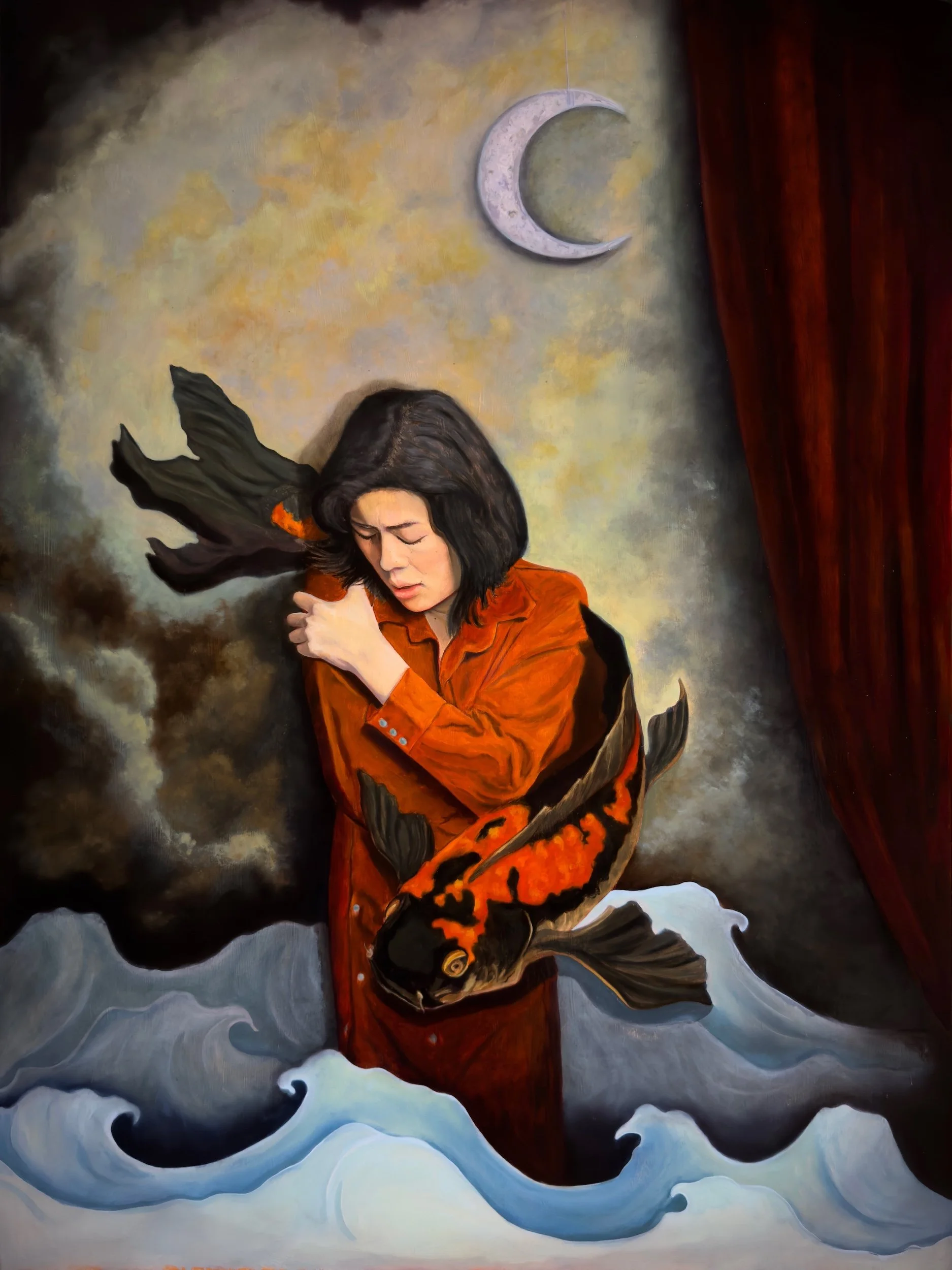
~ The Shape of Enough ~ oil on aluminum 40"x30"
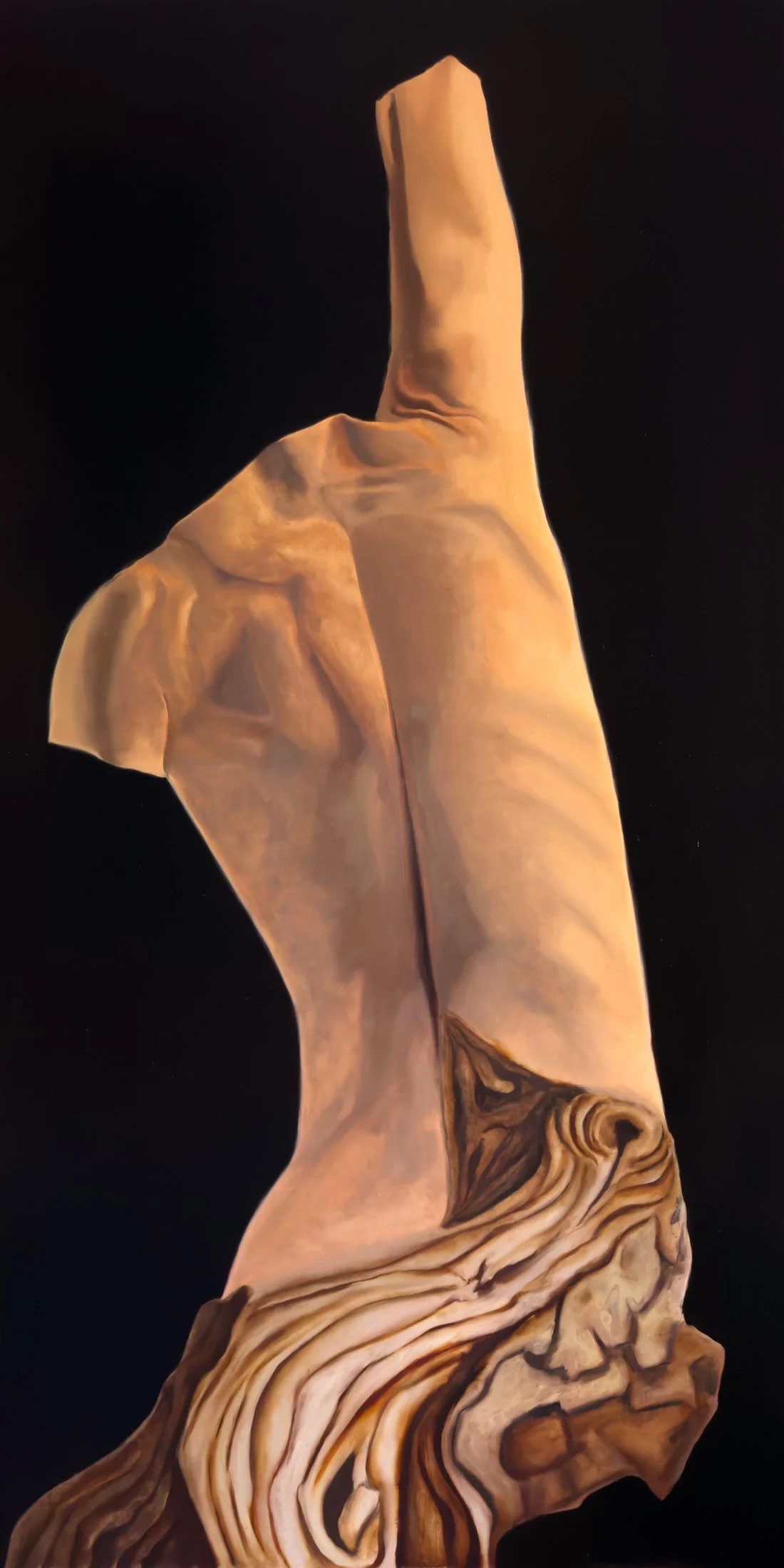
~ The Heart Asks Return, Not Gold ~ oil on aluminum 48"x24"
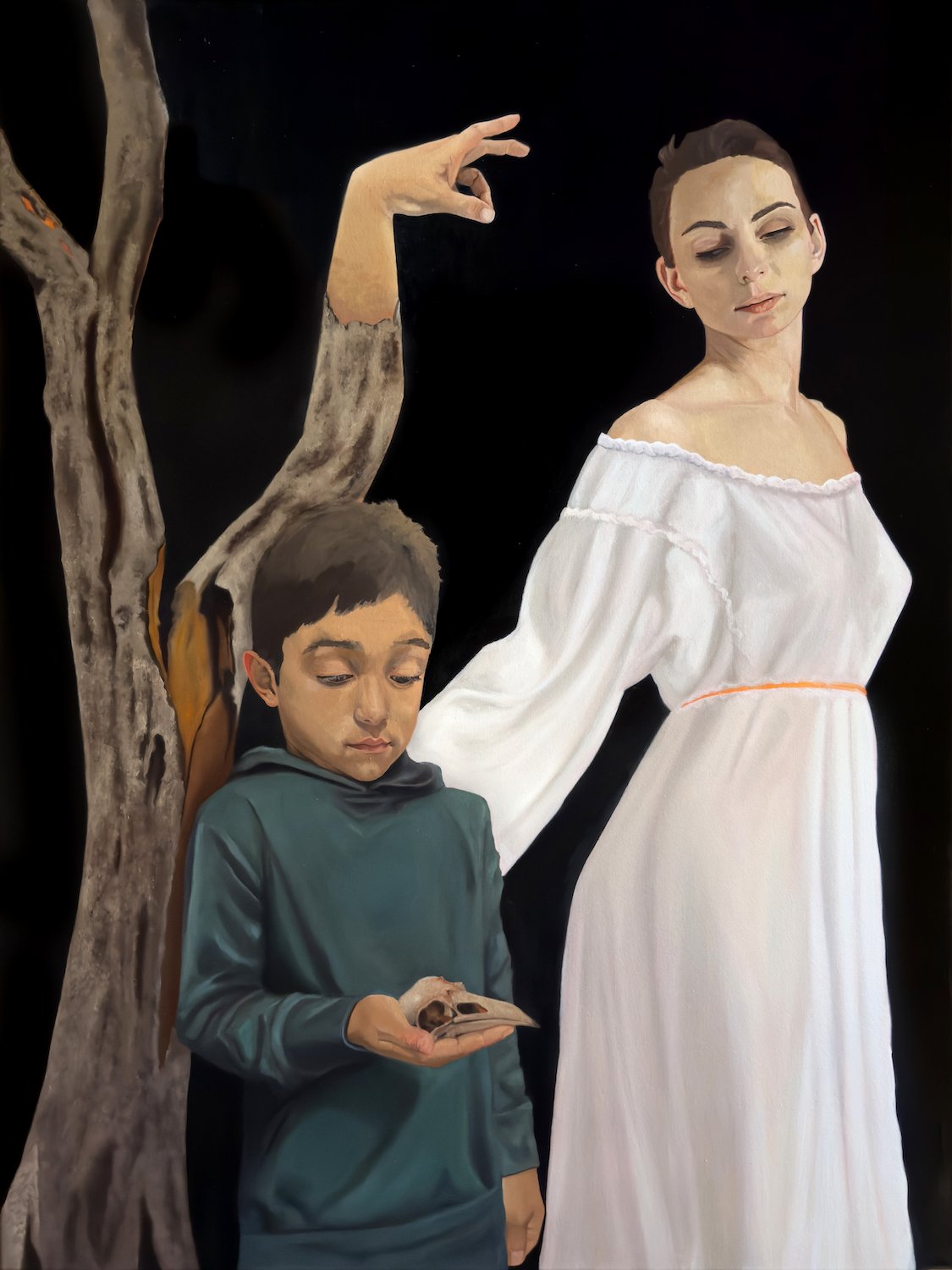
~ Hope Seems Fragile In This Dark ~ oil on canvas 48"x36"
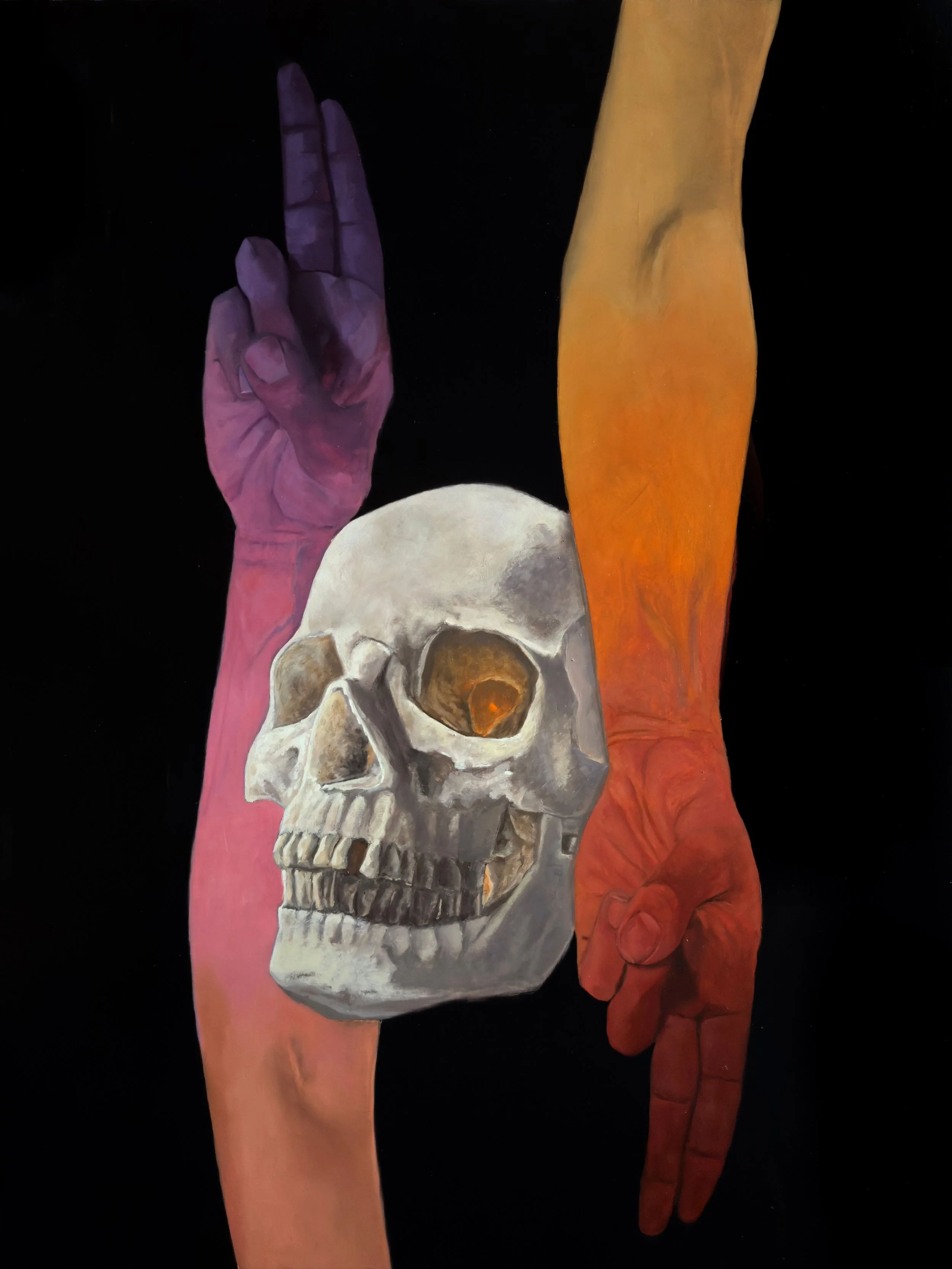
~ As Above, So Below ~ oil on wood 24"x18"
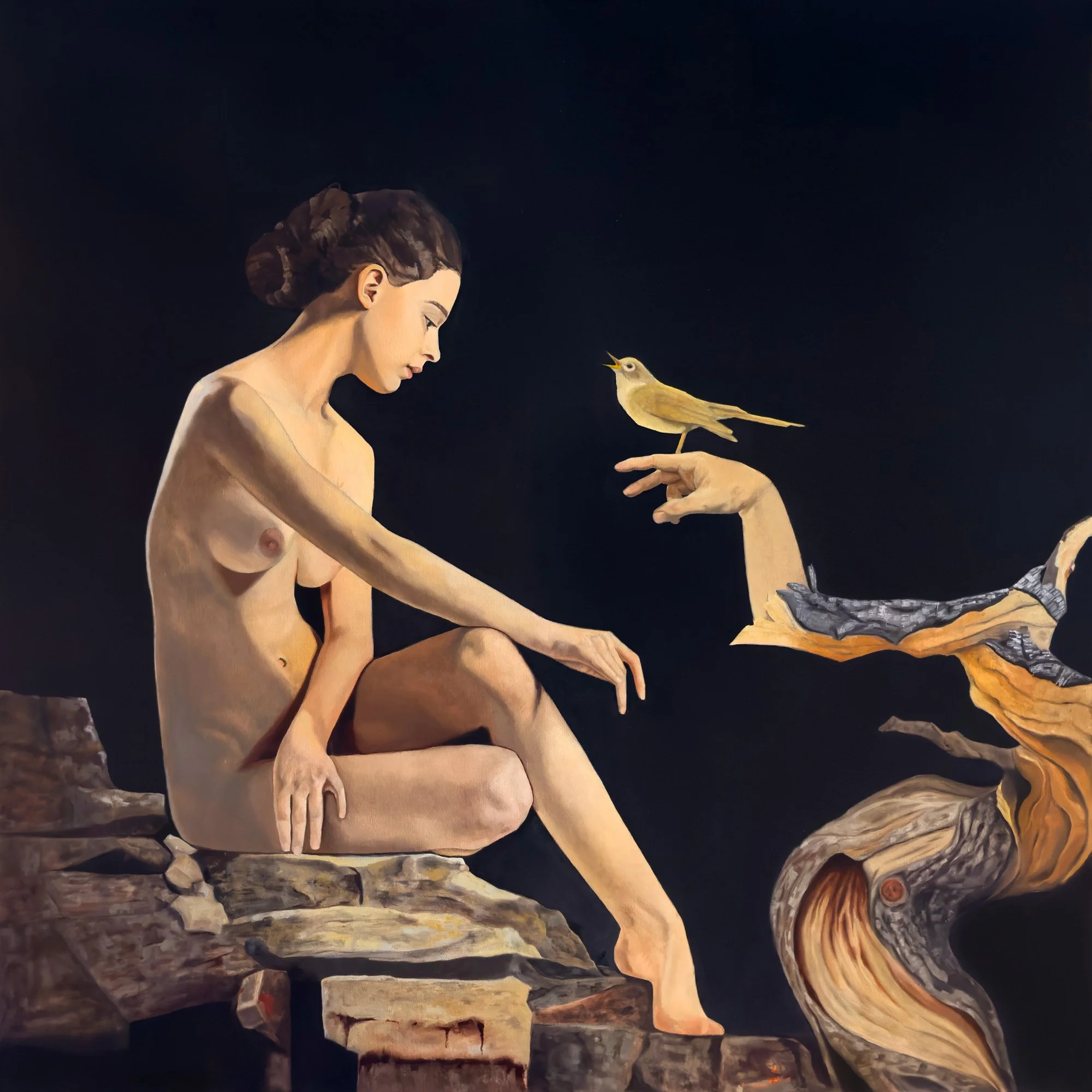
~ A Song of Home Never Reached ~ oil on canvas 48"x48"
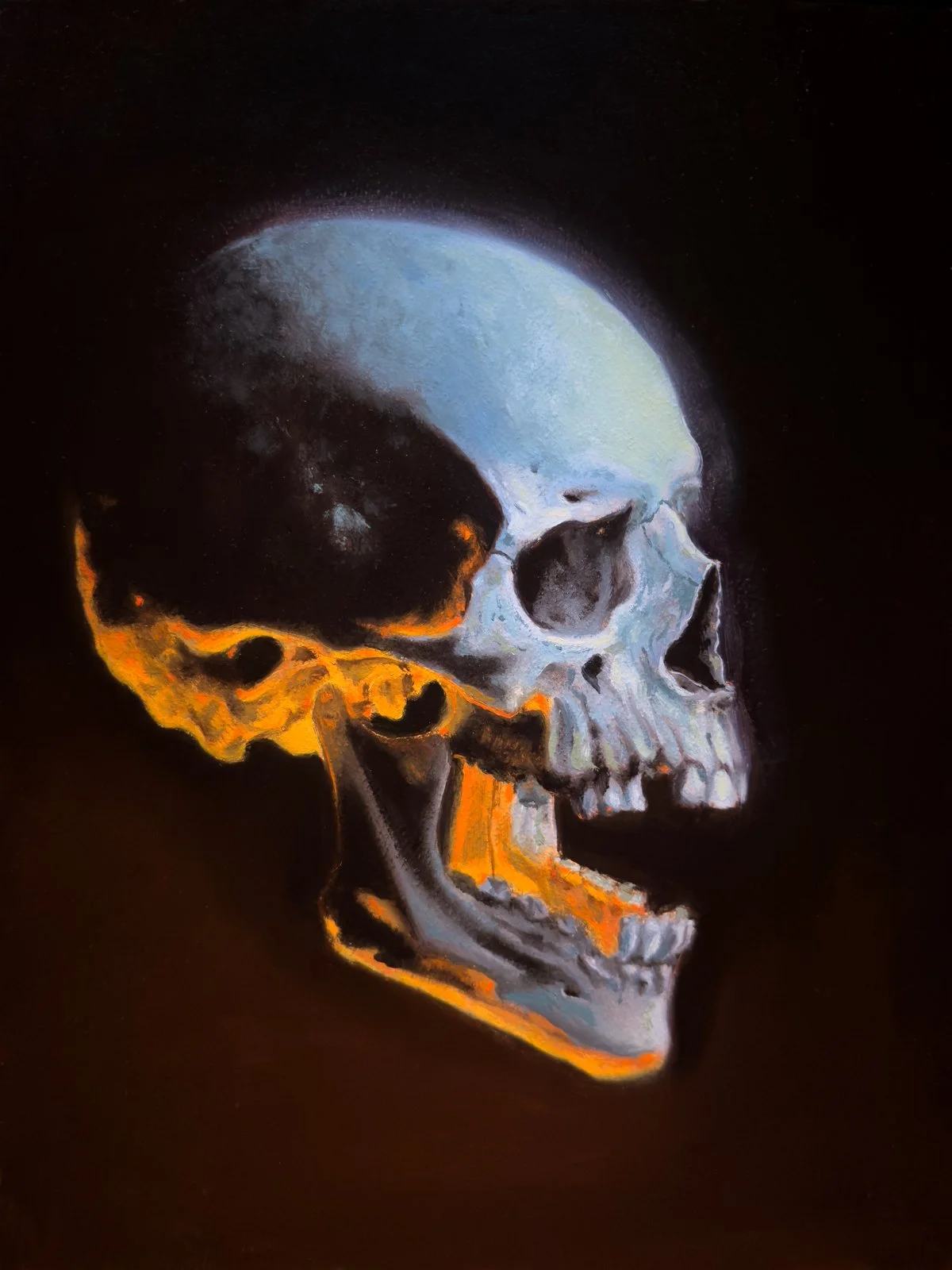
~ Birth Ritual ~ oil on aluminum 12"x9"
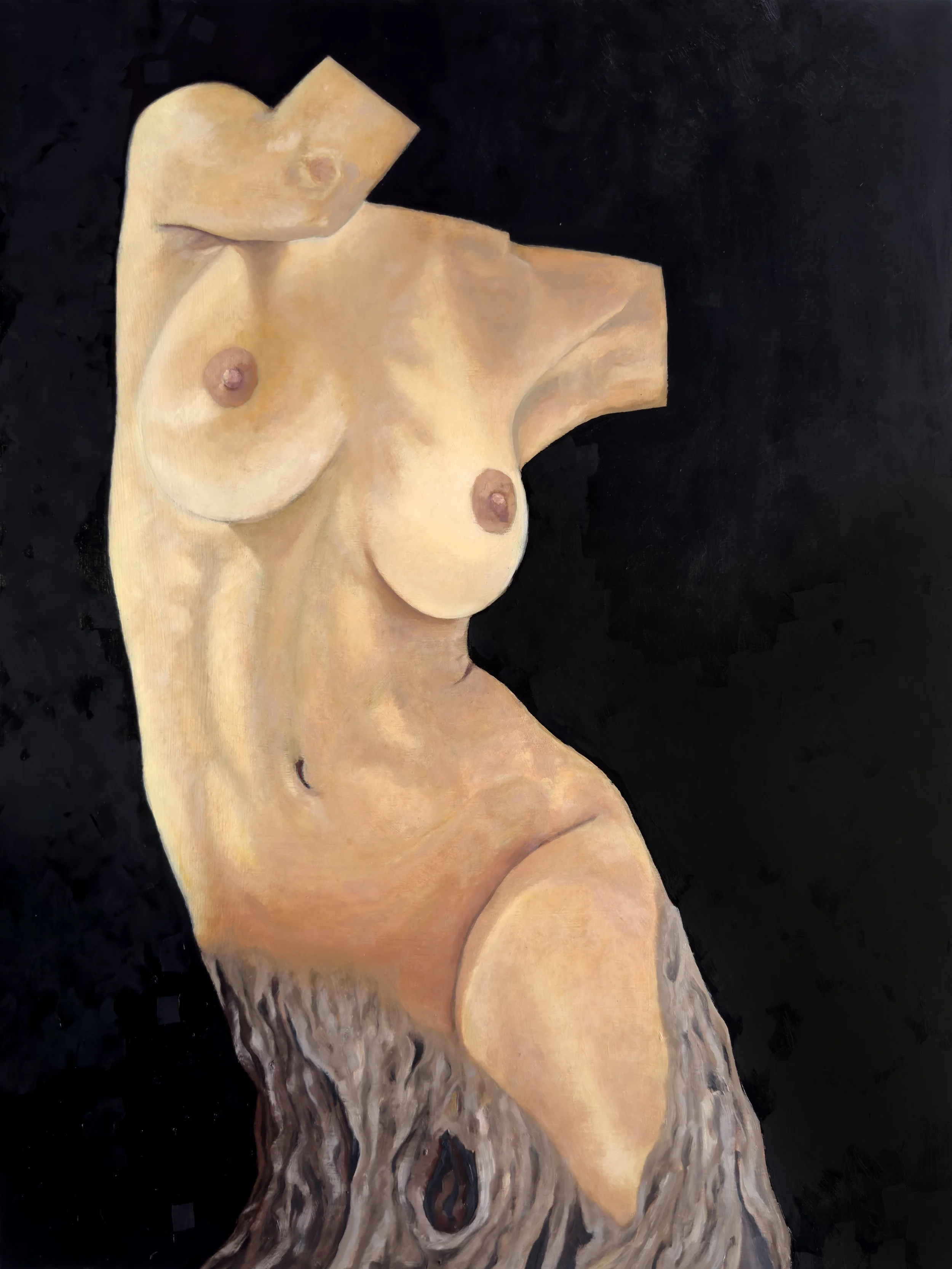
~ Arms Around The Fallen ~ oil on wood 24"x18"
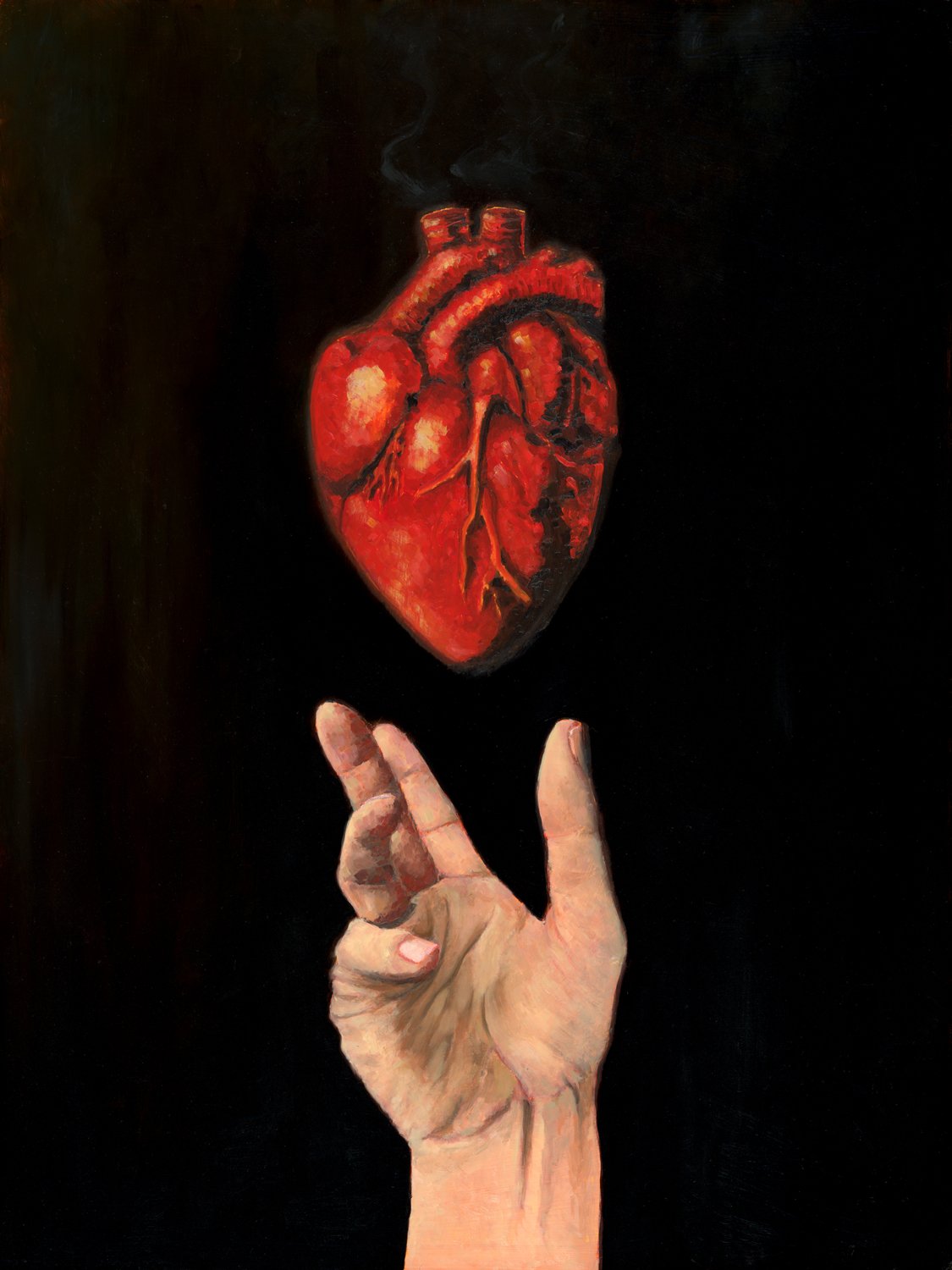
~ Humanity~ oil on wood 16"x12"
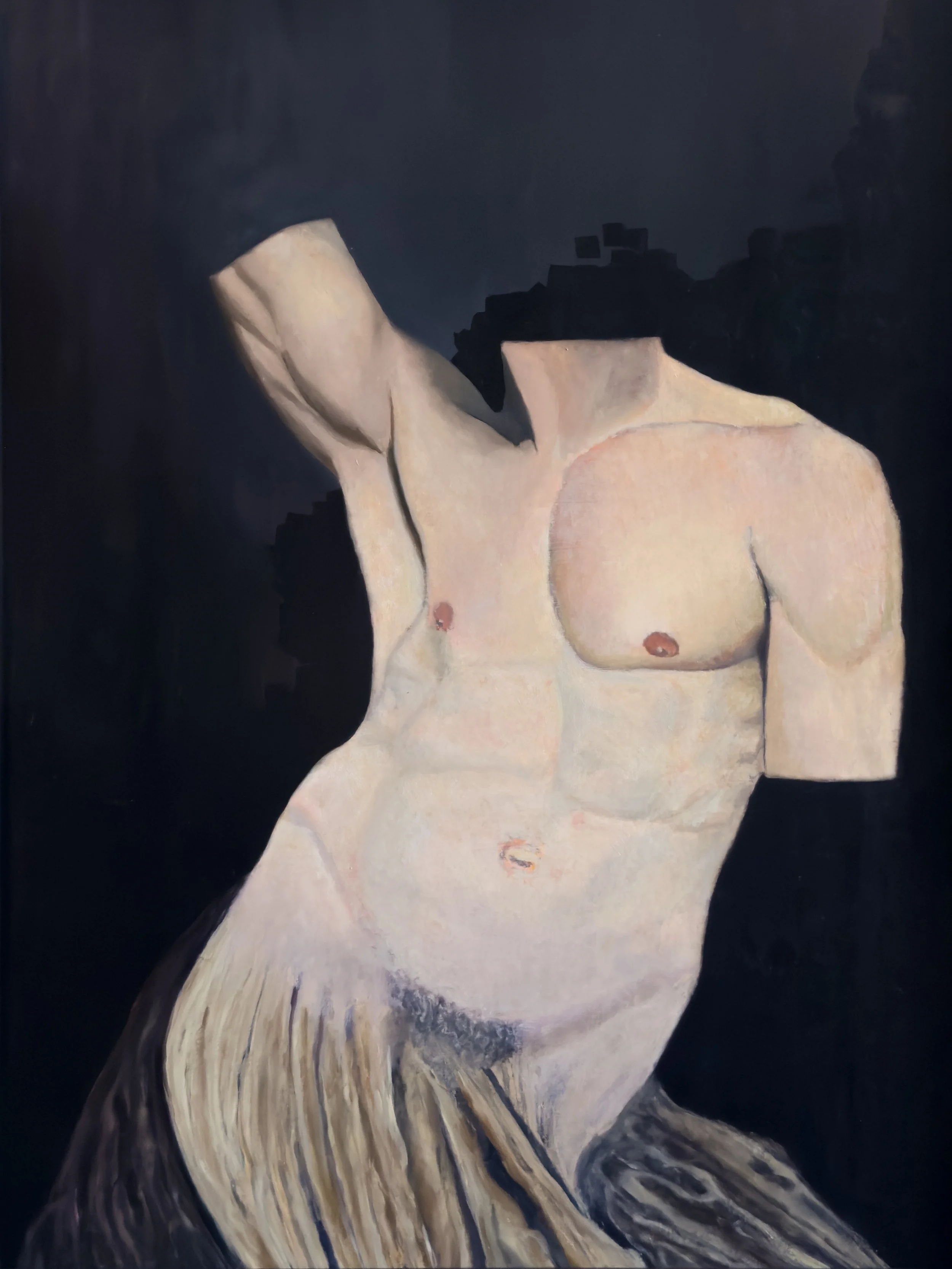
~ Love And Loss Entwined ~ oil on wood 24"x18"
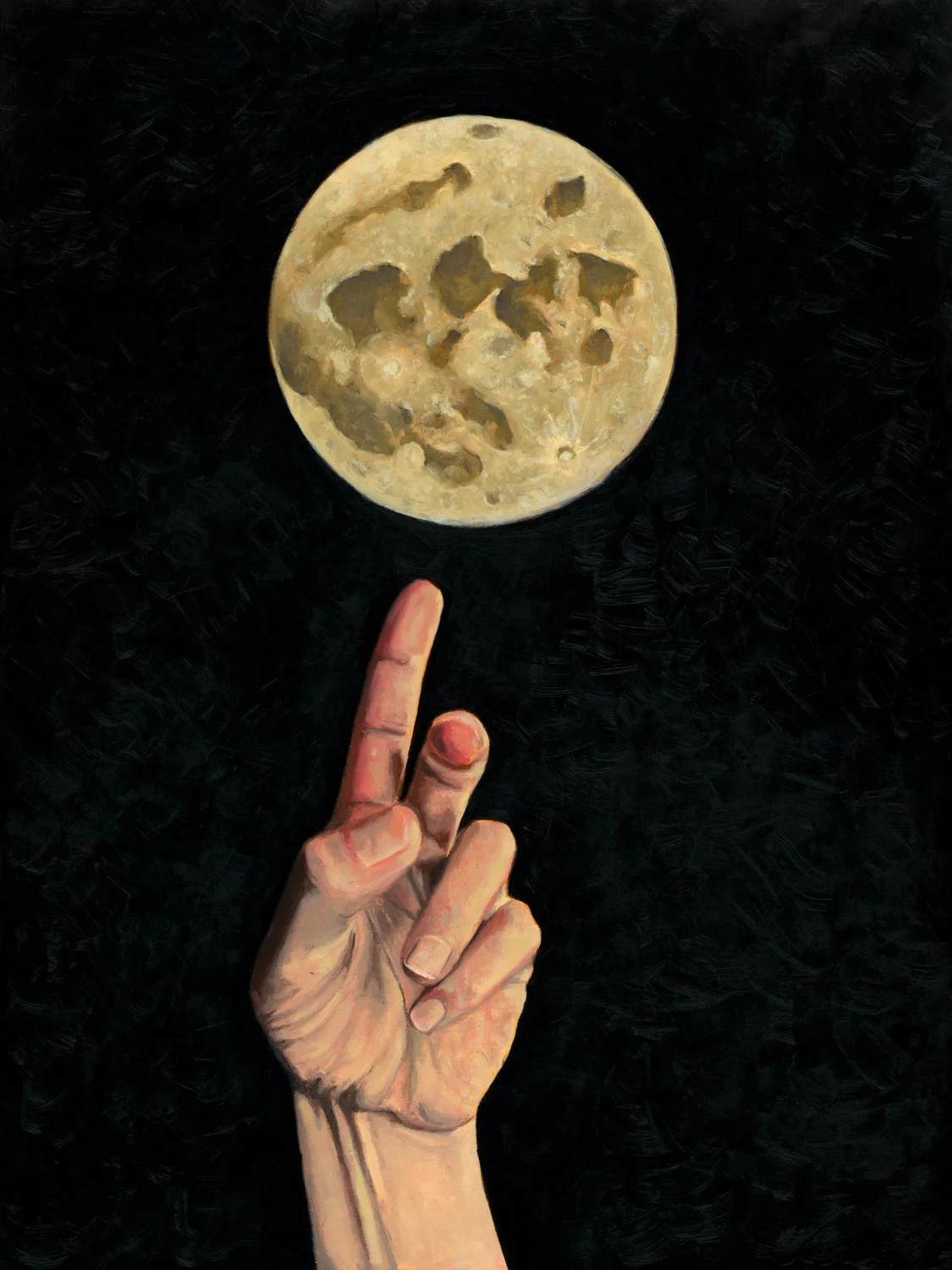
~ Divinity~ oil on wood 16"x12"
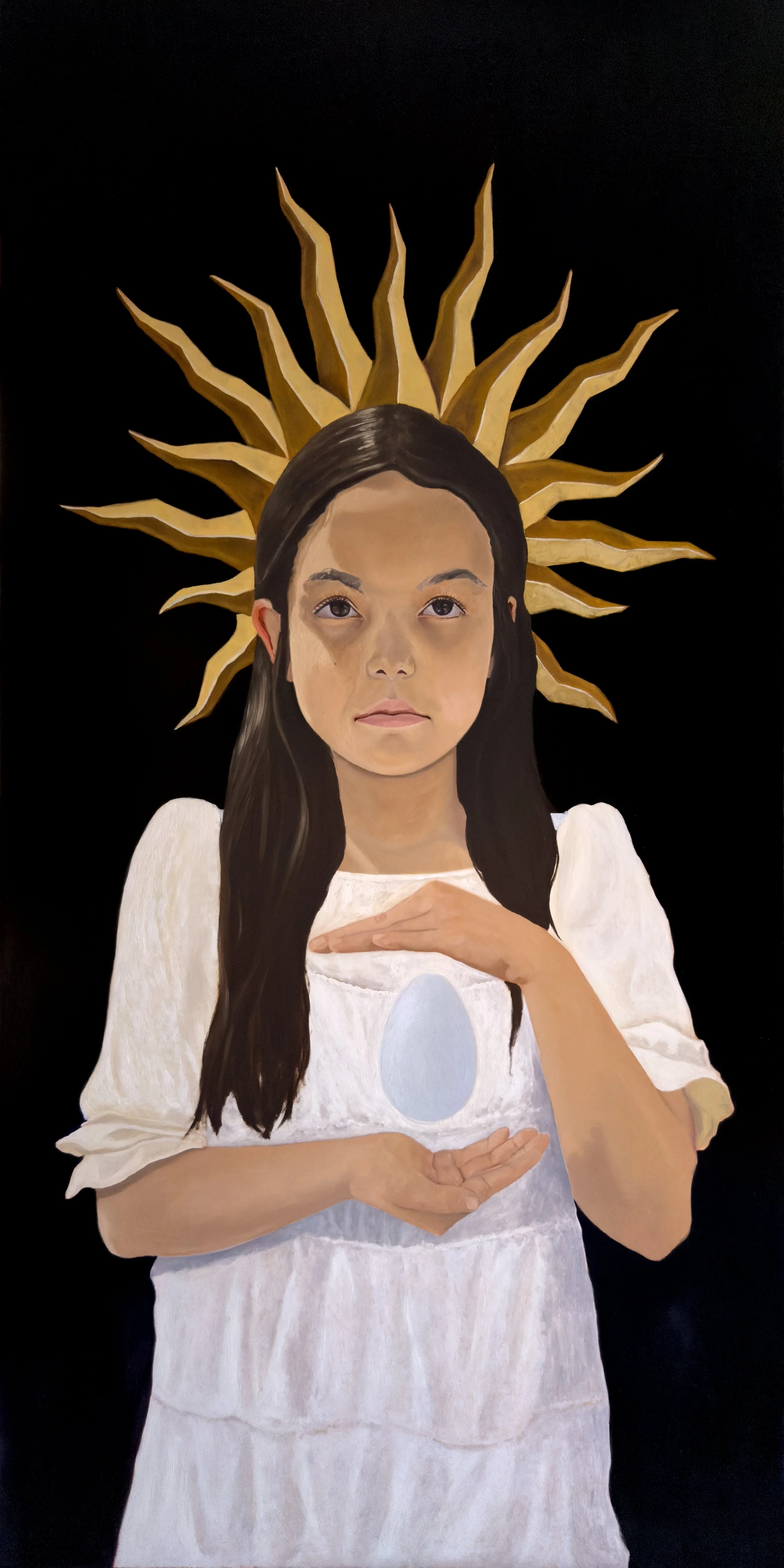
~ Fear Shapes What Purity Cannot Hold ~ oil on aluminum 48"x24"
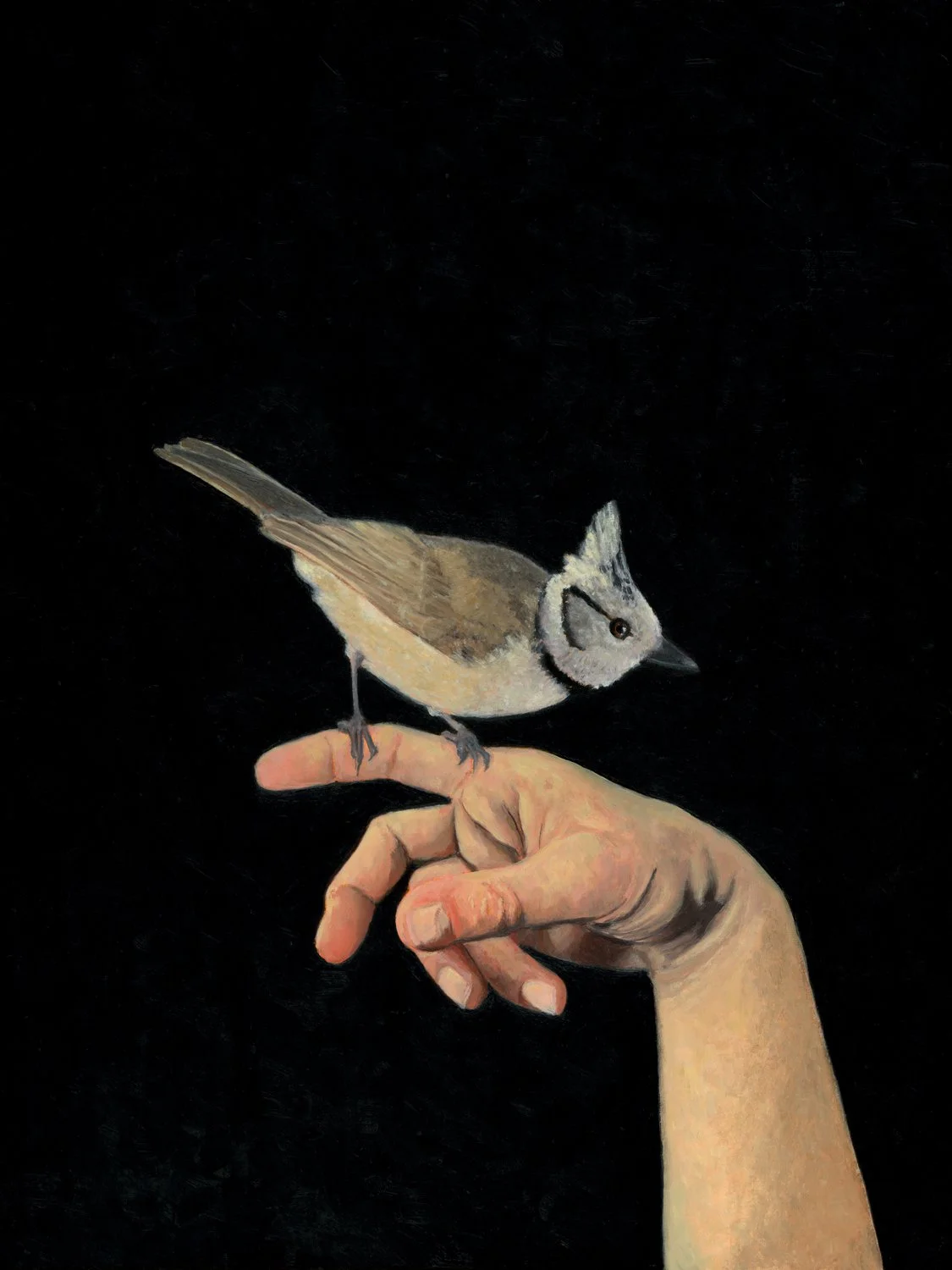
~ Infinity~ oil on wood 16"x12"
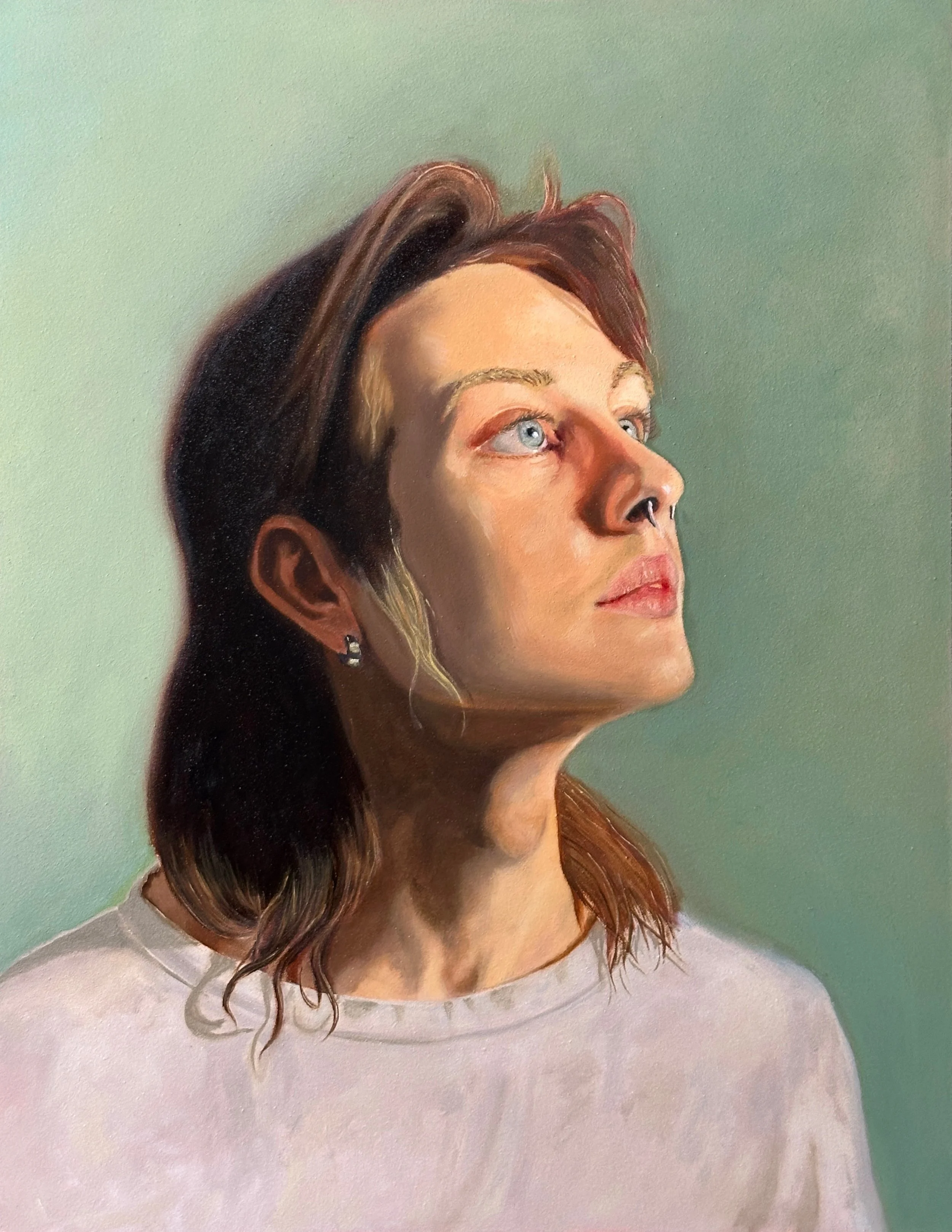
~ Where Hope Outlives The Night~ oil on wood 18"x14"
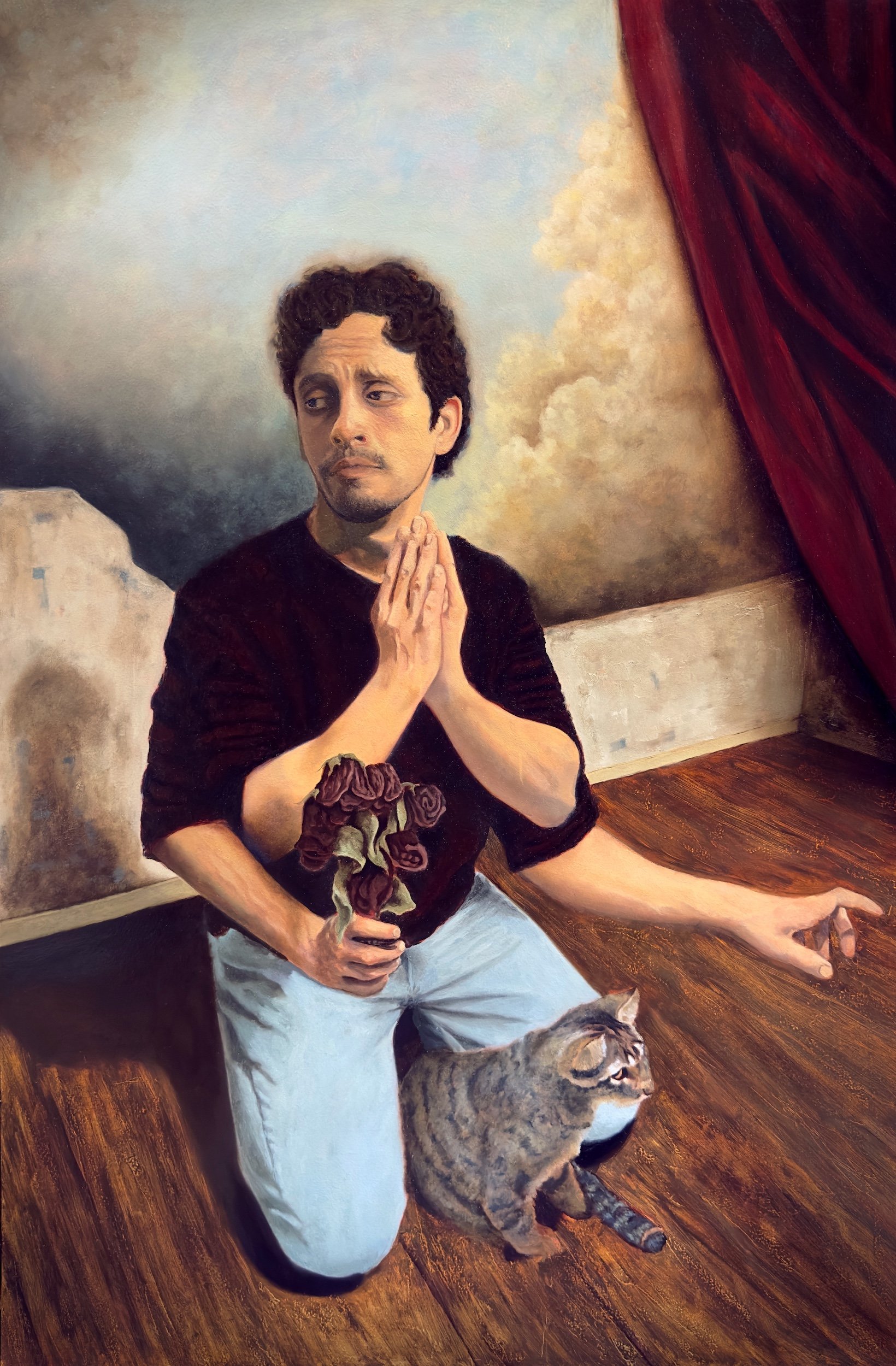
~ The Costume of Devotion ~ oil on aluminum 36"x24"
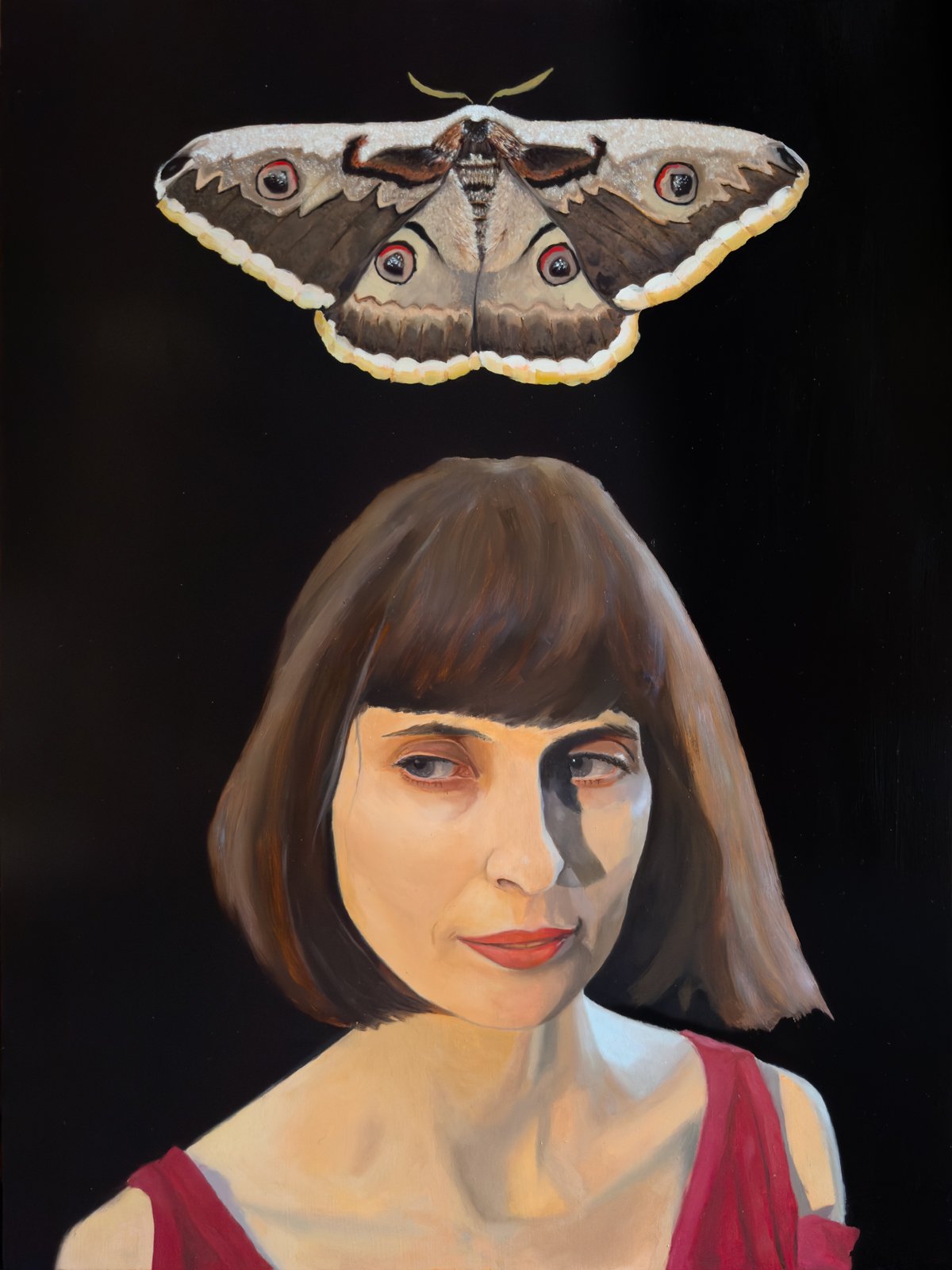
~ Wolves Sleep At Her Bare Feet ~ oil on aluminum 24"x18"
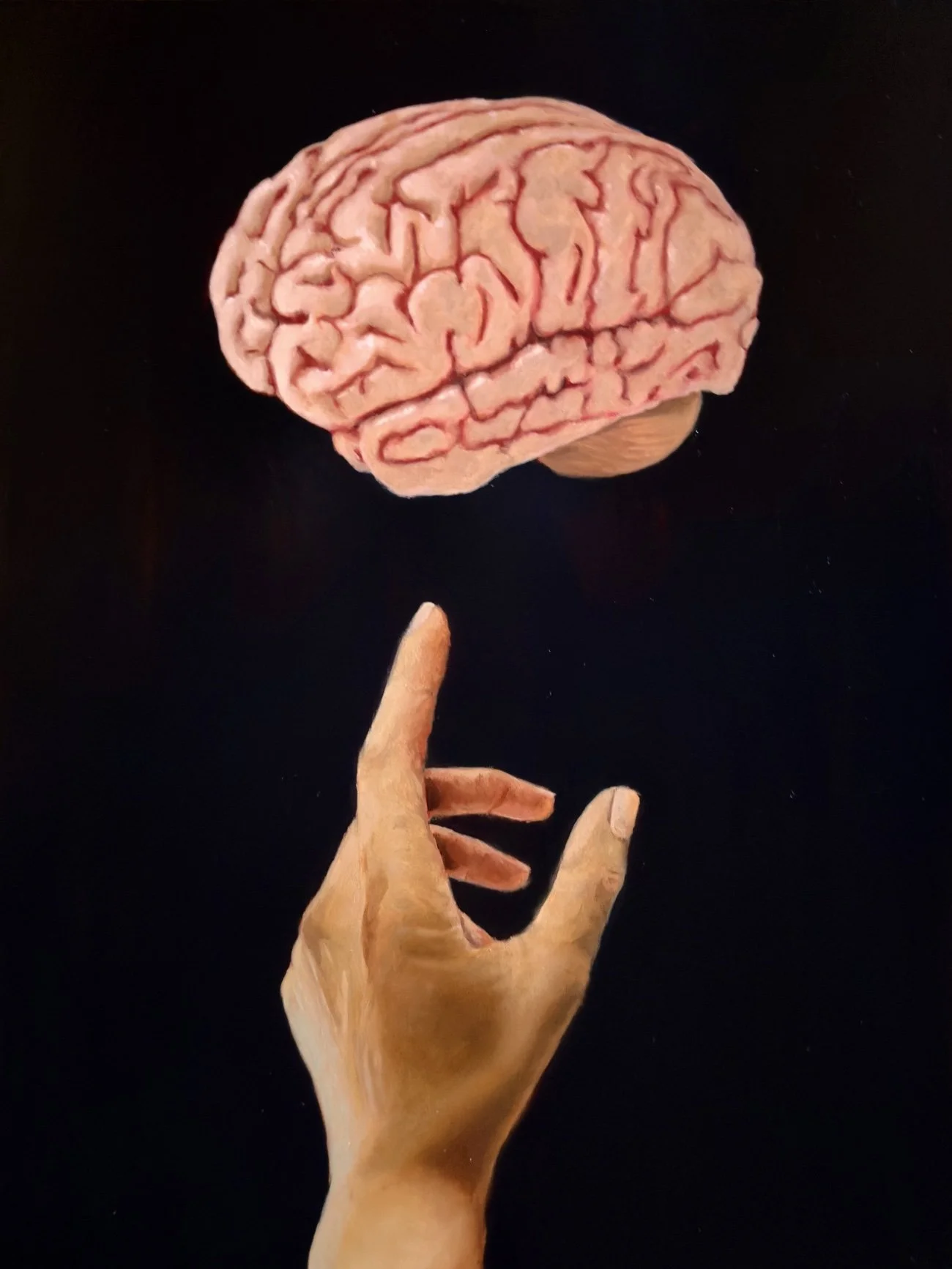
~ Synchronicity~ oil on wood 16"x12"
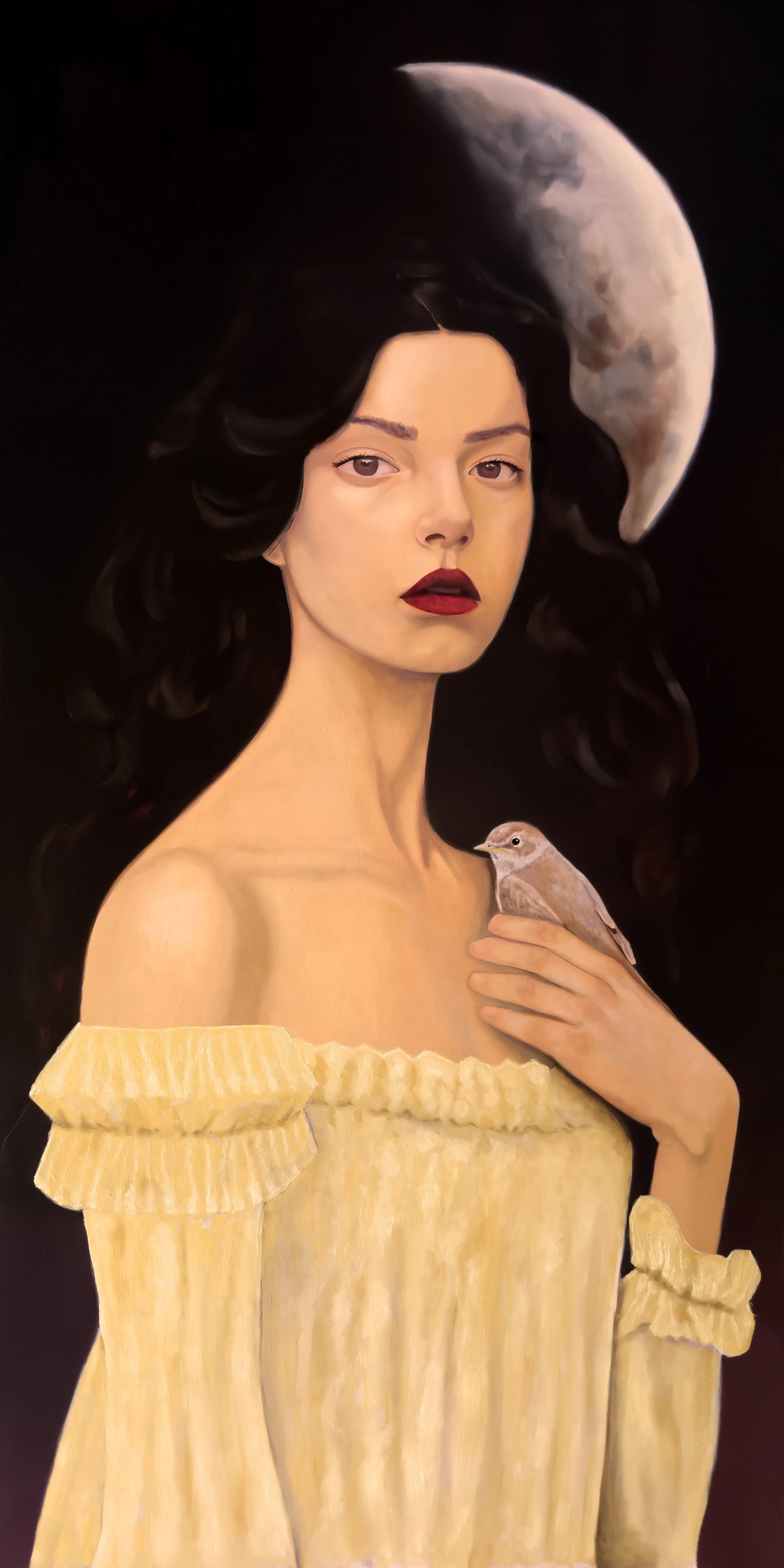
~ Wild Magic Hums Behind Her Eyes~ oil on aluminum 48"x24"